
 by
by Beneteau’s new tabbed hull design is so good that the new boat can become the most popular model of the French firm.
We are on the deck of the new Oceanis 46.1, which is backed by Beneteau’s goal of becoming the most popular model. After the threatening level of the dark black clouds on our bow has reached a frightening level, we turn to the wind and sail even more. When the torches begin to flow with their powers over 20kt, our boat puts on a real show. Apaz and surfing, especially when our speed rises above 14kt, we all scream like the children find toys. This is the real trial run.
Designer Pascal Conq is with us and we all look forward to seeing what this new fat-line new form can do. We’re having a day in which everything can go completely wrong in terms of weather. Nevertheless, the fact that nothing has gone bad and that we have been excited enough to return to the beach with gratitude that will not hinder the grin on our face proves that 46.l is a very bright model. The model’s goal of becoming the best-selling single-bodied target seems to be powered by two different factors.
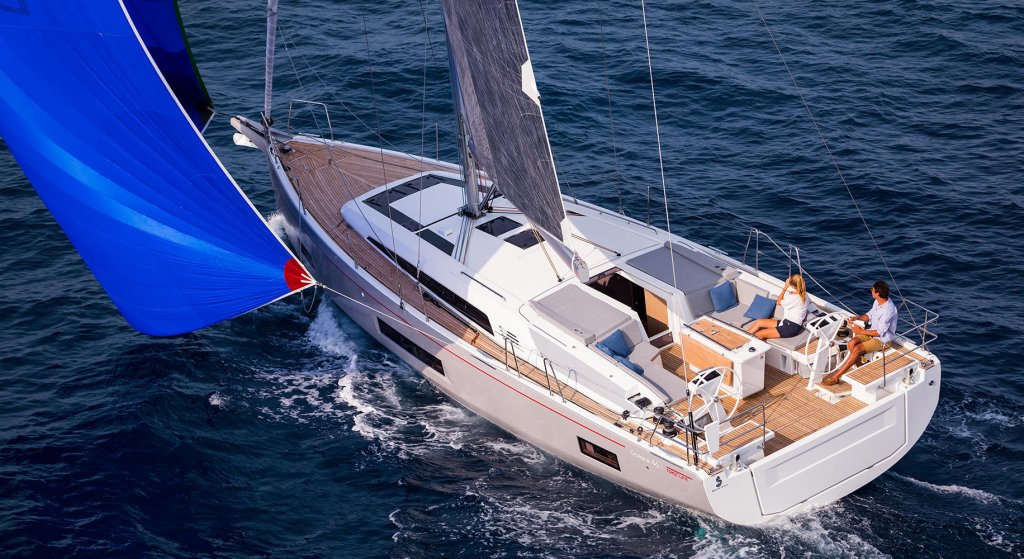
REPLACING A MULTIPLE
Going back, the Oceanis 45, which we tested in 2011 and won the European Yacht of the Year award, remains Beneteau’s most popular boat. With more than 800 sales, 45 can be claimed to be the most successful mass production boat of modern times. As such, it is not surprising that Beneteau wants to preserve the 45’s prominent pluses and sales weapons, and does not give up the design combination of Finot Conq for the body and Nauta Design for the interior and style.
Conq says the design team’s priority is to maintain the key features of sail performance, large cockpit and interior spaces. According to Conq, these features are combined in a tabbed (or full-jawed) structure with a stronger, higher straightening torque and a double-blade body for additional control. The new 46.1 also has many options; these include the “First Line” package, which includes longer masts and deeper release.

WIN-WIN
In 2017, Beneteau started Berret Racoupeau’s design 51.1 as the first member of the new seventh-generation Oceanis series, which will use this full-jaw body with much larger cross sections. As a result, the large volumes on the head and especially the sharp Nauta-style model made it possible to achieve a high sales figure (over 200 according to the information we received).
Sharing a similar look with this model, the only difference in 46.1’s layout is that a crew cabin option is not offered at the head. However, from the central body glass in the jaw media of 46.1, it extends over the entire body just above the facade band.
“We’re moving in the direction of the fat shoulder”, says Conq. Uk We found a region where there were no losses, only better performance and volume. We take the volume underwater and add it to the sides, that’s all. “
Conq has discovered that there is no need to expand the waterline as in 51.1, and the difference on the water supports this. Conq says the body of the 46.1 is more delicate and the wet surfaces are smaller. This was evident when we did our first test with 46.1 at Rhode Island, New Port, where two boats came up against each other. The 46.1 easily outdid the 51.1, and it seemed that it had a much more agile design.
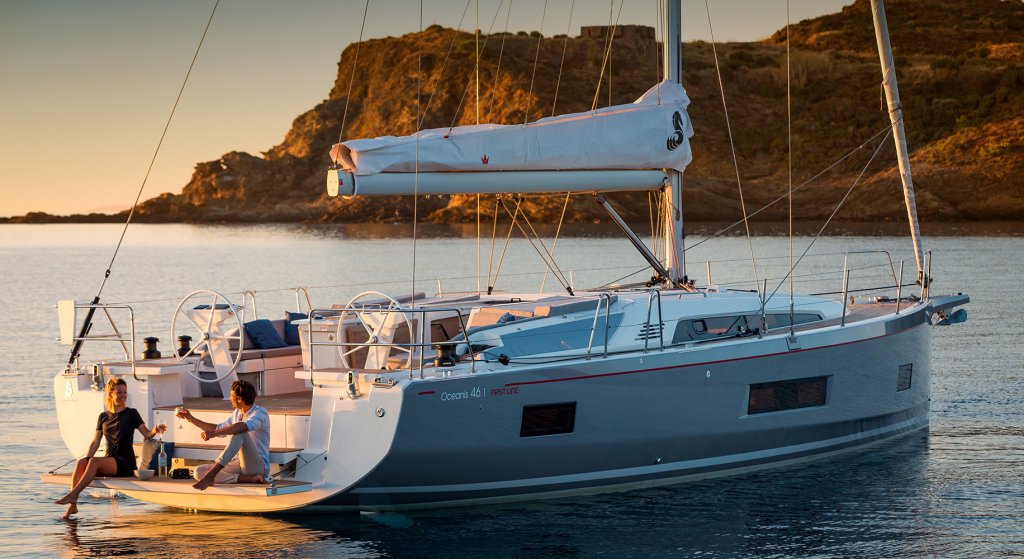
We caught the perfect weather in early September, sailing on a sunny day in the historic racing waters with a thermal wind of 6-12kt. 46.1 here had typical American equipment; It had a 1.75m short release, standard winding constitution and a large genoa instead of an automatic tram jib. We reached 7.8-8.3kt speed in the ors and 6-6.3kt speed in the real wind. The new mercury, a useful equipment added to the old 45, encourages the use of flying sails. When we opened Code O, our speed increased to 8.5k.
The only negative aspect of our Newport test was the average rudder problem that kept the boat going back to the pier. However, as we notice in our next course, there is a reserve power in this new hull form and there is no end to enjoyment at the helm.
SAILING WITH GTI MODEL
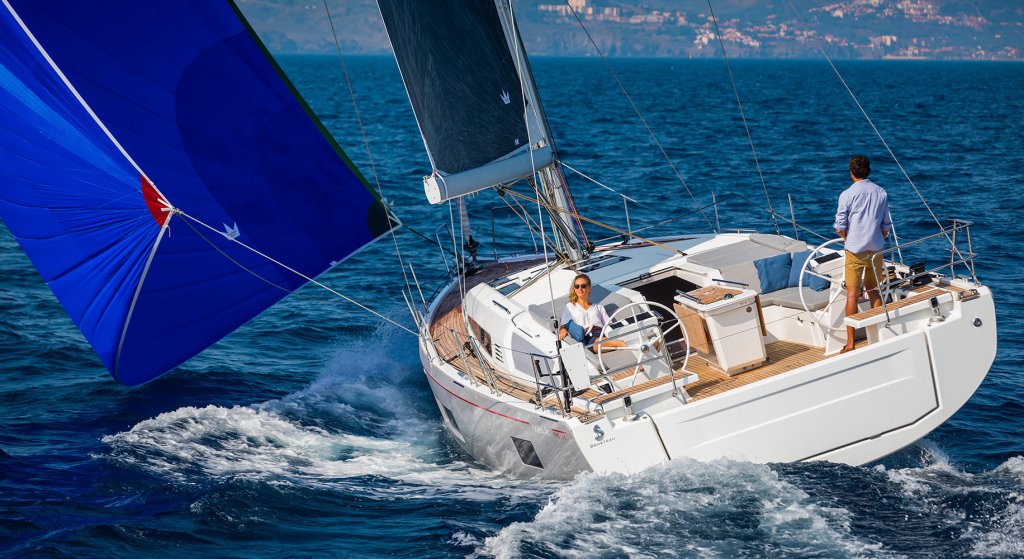
The boat we tested in Port Ginesta is a “First Line performans performance version with a deeper lead release, a long mast and a 28 percent larger sail area. We have the opportunity to see how 46.1 copes with wave and wind. As the dark clouds approach the two-meter waves and the 15kt wind, the 46.1 lane is 7.5kt in constant speed and comfortable.
We sit in the wind and enjoy their relative comfort. Im The slope creates a more delicate cross-section than Jeanneau, Pas Pascal Conq says, referring to Jeanneau’s new S0440 and SO490 models with very full head sections and full jaws. With a tilting bar, a bar that joins the double blade and the textile connection to the rudders help direct rudder notification.
After a close look at the wind, we experience the exciting winds that we mentioned earlier. With 20kt real wind and seven torrents, we reach double-digit speeds in a short time.
The rudder starts to leave around 11kt, we have experienced it many times with the courage we received from the shortwave system.
Instead of watching the waves directly from the side of the waves, but the sensed wind speed comes to the fore a few times will be remembered with joyful short surfing moments, we go up to 1214.5kt speed. We are not very active on the sail trim, we are leaning against the gurcala and we are having a really fun cruise while the Code O isotka is fixed between the winch jaws. Despite this impressive show of power and speed, it is immediately noticeable how comfortable the boat is. The double scimitar does not give a feeling that he will lose control even for a moment and enter a fearful, expensive or embarrassing brooch. This is an important attribute for a family excursion boat.

HOT CLIMATE DECK
46.1 has a modern, Mediterranean style and extra spacious cockpit arrangement. The cockpit is further expanded with a full-width swimming platform at both ends and sun cushions on the flat top. The rudder zone is similar to 51.1 and is designed to allow one person to sail and control winches from the rear. Alı Buyers like the cranes at the back and outside the cockpit, Cle says Beneteau’s production manager, Clement Bercault, who says that the large cockpit area is entirely for the family.
The layout allows you to control 46.1 with limited crew, but you have to be organized and organized on equipment ropes. This is made easier by the handy rope eye which allows the drainage of water with a mesh-type material at the bottom. There is enough space on either side between the front and main winches to allow only one winch, so buyers are likely to opt for the electric winch option.
The helmsman can use the high platform with cranes to sit in a dry place. However, the assholes are very wide and it can be difficult to reach the rudders while sitting here comfortably. While sitting on the cockpit bench, we like the large cockpit table, which also provides a solid footrest for safety at bedtime. There is a refrigerator inside the table; but the most beautiful feature is that it offers a volume wide enough to transport a lifeline at an easily accessible spot. There are no portlets under the seats, but volume has been added to the bottom of the deck. For this reason, deck storage locations are located at both ends, deep sail portuguese and portuchos. The unrestrained rudder system on the stern and the electronic devices are not suitable for storing large items. The inner parts of the portlets are quite rough; bare plywood and plenty of glue stands out.

IMPORTANCE OF SANTIMETERS
The layout under the deck is very similar to the successful 45’s as predicted. Ik We tried to evaluate every place we could gain volume with the new hull form, Ber says Bercault as she descends down the 45-degree staircase to avoid the sudden rain.
Therefore, 46.1 is only 10cm longer than 45 and has the same width, but has been moved to the maximum front and up to maximize the internal volume.
The jaw gives us half a meter more, Ber says Bercault. Most saloon beds gained on the water line are carried out 15cm more than the previous model and a significant volume gain is born. However, the main difference is in the head and upper part. Plump cross sections gave Beneteau the chance to take the 48’s head quarters and put them in 46.1. The master cabin is very surprising for a boat of this size, one of these features is the island bed that you can use with your head easily to the side. The use of separate shower and WC compartments works and enhances the feeling of space in the cabin.

Additional volumes are also felt in the cooker and lounge. We like the addition of an inward-looking bench in the cooker. In addition to the additional work surfaces, good foot support is provided during sailing. The three housing options include five cabins and two first four WC options, as well as a choice of longitudinal cooker and map table on the starboard side.
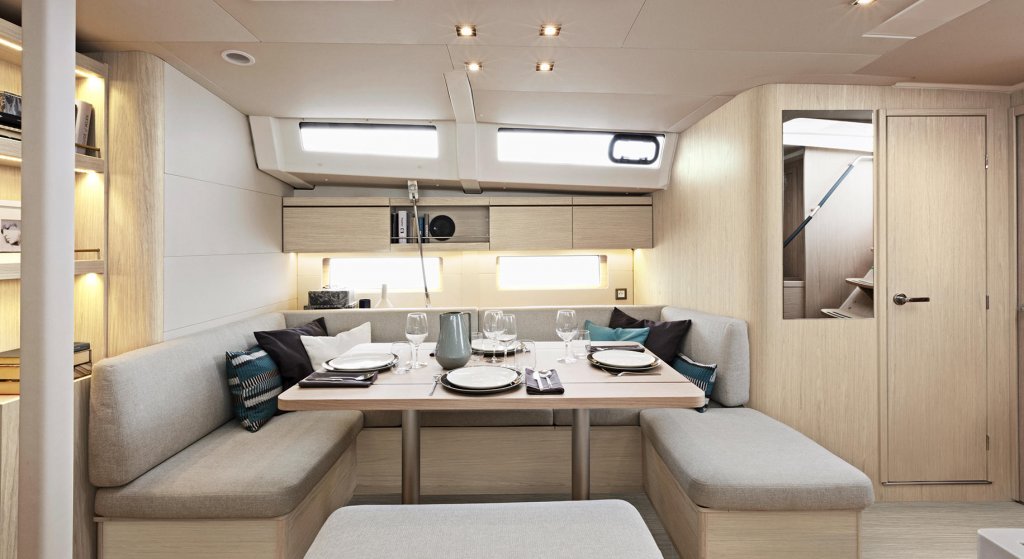
From the Oceanis Yacts 62, we like the style of the experienced Nauta with stylish elements such as book eyes, fabric coverings and hidden lighting on the central screen. The beige color is almost everywhere because of the old oak veneers; The gigantic body windows and layout make the interior bright and luminous.

However, we find it difficult to understand that Beneteau does not put rubber seals under the persian boards when entering such a detailed style. Can you imagine that you are walking in your new home and every step is announced with a high squeak? The situation resembles a scene of horror. Storage spaces and tanks are in reasonable volumes and in line with a boat designed for coastal cruises and family vacations. We would like to say that 46.1 is the ideal boat for cruising in the Mediterranean or for two weeks renting rather than long-distance cruises or long periods on board.
DECISION
It is not uncommon for a new mass production boat to sail under different conditions and with different options and to get a chance to really push the boat. On the other hand, the sustainable performance of the new model in all circumstances is equally rare. Although manufacturers are naturally aware of the importance of design, style and living spaces for a good sales chart, the designer of 46.1 knows very well that sailing capabilities are the key to success. Both the Beneteau and Jeanneau have added a new dimension to the volume of the pleasure craft, especially in the gigantic cabins. The 46.1 takes the best features of the perfect 45 and improves them a little better.
If the quality of workmanship can capture the design, it can be a very difficult boat to eat. Even so, Oceanis 46.1 seems to have raised the bar quite a bit in the arena of medium-sized family cruising boats, where there is high competition in appearance and performance. We can bet that the model will be at least 45 or even more successful.


